
Published by HashCraft USA Editorial Team · March 2026 · 10 min read
Two of the most celebrated forms of solventless hashish — bubble hash and dry sift hash — have passionate advocates on both sides. Some concentrate connoisseurs swear by the clean, full-spectrum profile of ice-water extracted bubble hash. Others insist that a perfectly made dry sift delivers a more aromatic, nuanced experience unlike anything else.
The truth? Both are extraordinary when made correctly. But they are genuinely different products, produced through different processes, with distinct textures, flavors, potency levels, and ideal use cases.
This guide breaks down everything you need to know to understand the differences — and figure out which one is right for you.
On sale products

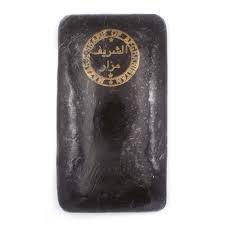
Afghan Mazar Sharif Hash for Sale Online | HashCraftUSA
Price range: $75.90 through $320.90
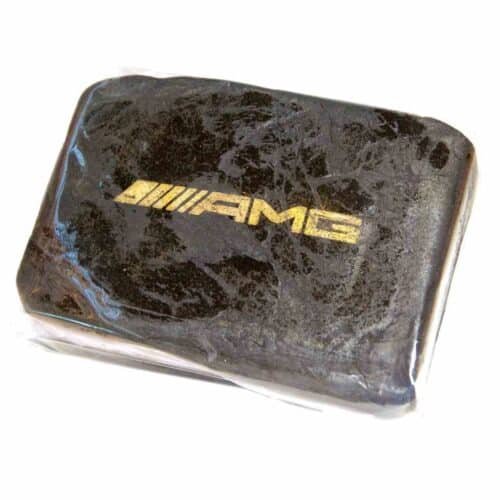
AMG Hash for Sale Online in USA | Buy Premium AMG Hash | HashCraftUSA
Price range: $80.90 through $230.90
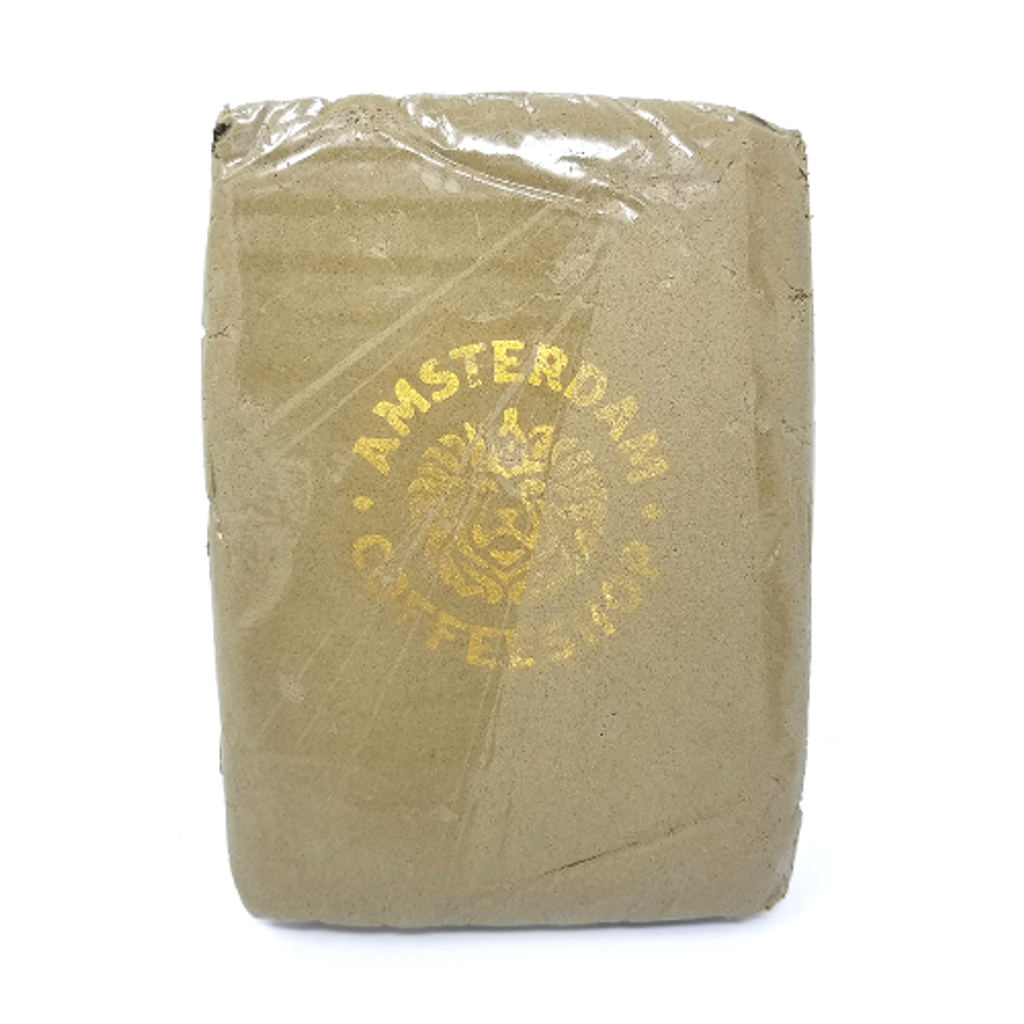
Amsterdam Blonde Hash for Sale Online | Buy Premium Blonde Hash | HashCraftUSA
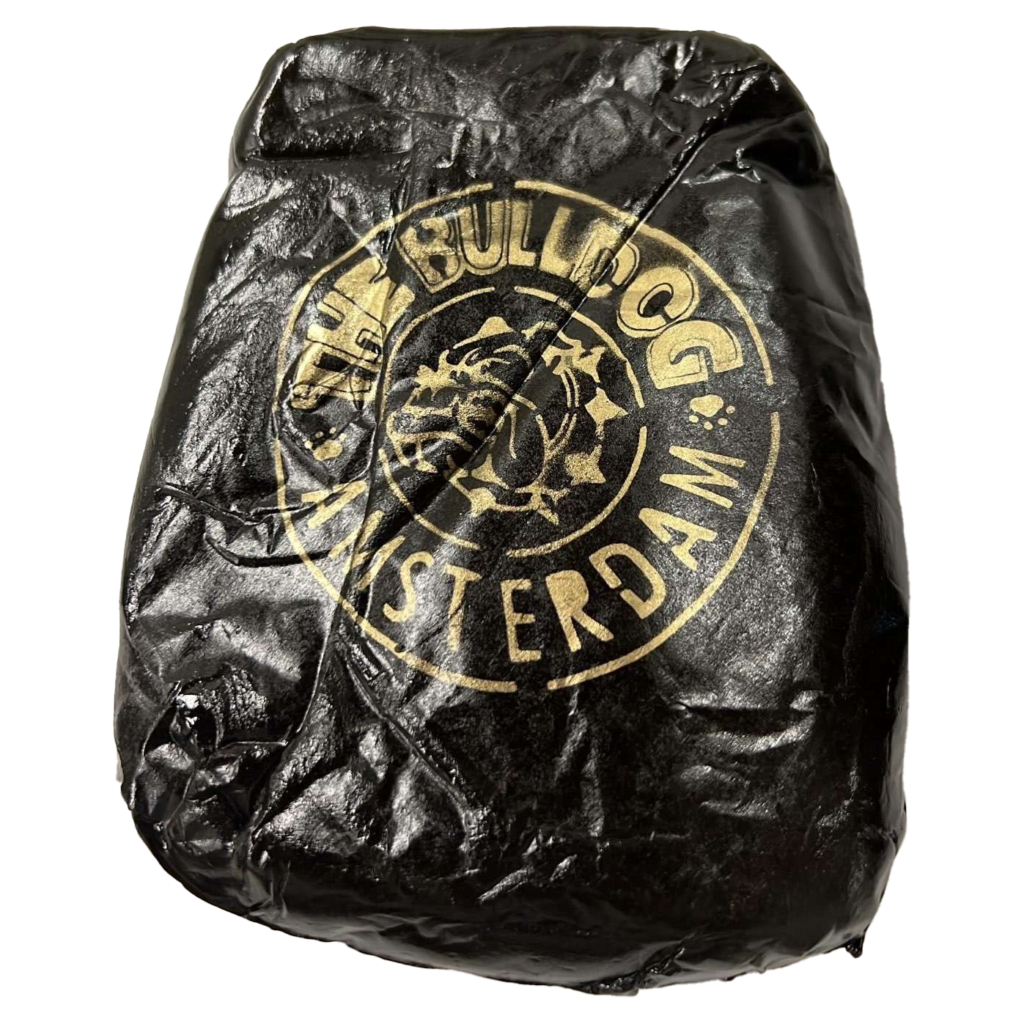
Price range: $55.90 through $265.90Amsterdam Bulldog Hash for Sale in California | Buy Premium Hash | HashCraftUSA
Price range: $55.90 through $340.90
Apple Betty Full Melt Hash for Sale USA | Buy Premium Full Melt Hash | HashCraftUSA
Price range: $62.90 through $187.90
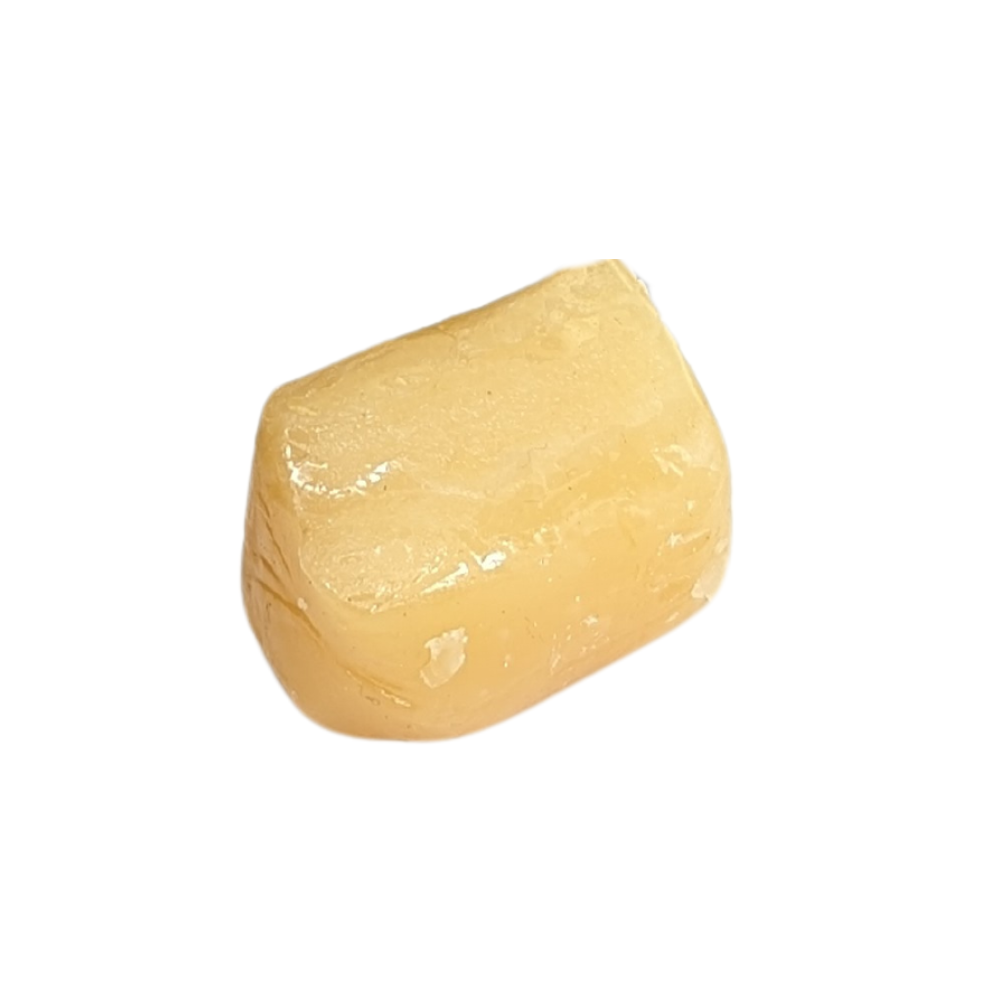
How Bubble Hash Is Made
Bubble hash gets its name from the way high-quality material “bubbles” when exposed to heat — a sign of exceptional purity. It is produced through an ice water extraction process that works beautifully in its simplicity.
Cannabis — either fresh frozen or dried and cured — is placed into a vessel of ice-cold water with ice. The cold temperature causes trichomes to become brittle, and agitation (stirring or using a washing machine-style setup) causes those trichomes to break off from the plant material and sink to the bottom of the water.
The water is then drained through a series of fine mesh bags called “bubble bags,” each with a different micron size (typically ranging from 25 to 220 microns). Different bag sizes capture trichomes of different sizes — smaller micron bags capture smaller, often more pure trichome heads, while larger bags capture more mixed material.
The collected material from each bag is then carefully freeze-dried or air-dried to remove all moisture. The final product can range from a slightly damp paste to a dry, sandy powder to a loose, crumbling block depending on how it’s processed and stored.
The best bubble hash is rated by the “full melt” standard — when a small amount is placed on a heated nail or dab tool, it should melt completely and cleanly with no char or residue. Achieving a true full melt (often rated 5–6 stars on a 6-star scale) requires exceptional starting material and precise technique.
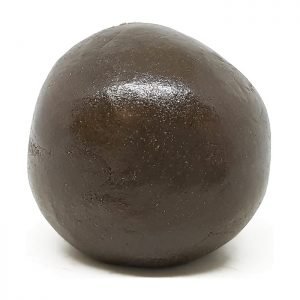
How Dry Sift Hash Is Made
Dry sift hash, also called dry sieve or kief, is produced entirely without water. Instead, mechanical separation through fine screens does the work.
Dried, cured cannabis is worked across a series of progressively finer screens — traditionally silk or polyester mesh screens mounted in wooden frames, though modern producers use precision-manufactured stainless steel or nylon screens with exact micron ratings. The cannabis is agitated gently, allowing trichome heads to fall through the screen while plant material and stems stay on top.
The first passes produce “raw” or “full melt” dry sift that contains very pure trichome heads. Subsequent passes collect more mixed material. The highest-grade dry sift — sometimes called “150 micron” or “full melt” dry sift — is nearly translucent when thin, with a golden or off-white color and an intensely aromatic profile.
Temperature matters enormously in dry sift production. Cold temperatures (ideally below 40°F/4°C) make trichomes more brittle and less likely to smear, resulting in cleaner, purer material. Many professional producers work in cold rooms or use refrigerated processing equipment.
Once collected, dry sift can be consumed as loose powder (kief), pressed into pucks or slabs using heat and pressure, or used as feedstock for rosin production.
Bubble Hash vs Dry Sift: The Key Differences
Texture and Appearance
Bubble hash typically has a slightly damp, greasy texture when fresh, transitioning to a crumblier, more powdery consistency when fully dried. Color ranges from light gold to amber to dark brown depending on the starting material and micron size collected. High-quality bubble hash from small micron bags tends to be lighter in color and more powdery.
Dry sift hash, when of high quality, is a very fine, almost crystalline powder — sometimes nearly translucent with a golden shimmer when viewed in light. Pressed dry sift is harder and more compact, often dark brown or black on the outside with a lighter interior. The texture of loose dry sift is similar to very fine beach sand — dry, free-flowing, and not sticky.
Flavor Profile
This is where opinions divide most strongly between bubble hash and dry sift enthusiasts.
Bubble hash is often praised for its complex, full-spectrum flavor. Because water extraction captures trichomes more gently and comprehensively than mechanical screening, bubble hash tends to preserve a broader range of terpenes and minor cannabinoids. Flavors are often described as rich and layered — simultaneously earthy, fruity, and floral.
Dry sift hash aficionados argue that their preferred method produces the most terpene-forward, aromatic experience of any hashish type. Because no water is involved, none of the volatile terpenes are washed away. When pressed gently at low temperatures, dry sift retains its aromatic intensity exceptionally well. The result is often sharper, more distinct flavor notes — more immediate and intense on the nose.
The practical reality is that both methods can produce extraordinary flavor, and the differences often have more to do with starting material quality and producer skill than the method itself.
Potency
Both bubble hash and dry sift hash can achieve similar potency levels when made well:
- Bubble hash: typically 40–70% THC, with some exceptional full melt material reaching higher
- Dry sift hash: typically 50–70% THC for high-grade full melt material
The key variable in both cases is the purity of the trichome collection. The less plant contamination present, the more potent the product. Both methods can achieve near-identical purity when executed by a skilled producer using premium starting material.
The Production Process: Complexity and Scale
Bubble hash production requires more equipment (bubble bags, agitation vessels, freeze dryers) and takes more time — particularly the drying process. However, it scales well and is forgiving of minor technique variations. The ice water acts as a natural buffer that prevents overheating and terpene degradation.
Dry sift production requires less equipment but demands more precision and skill. Temperature control is critical, working time must be minimized to prevent terpene loss from friction heat, and consistency is harder to achieve across large batches. However, the best dry sift in the world can be made with just high-quality screens, cold temperatures, and patient hands.
Stability and Storage
Bubble hash that has been properly freeze-dried is very stable. Store it cold (in a refrigerator or freezer, in an airtight container away from light) and it can maintain quality for months or even over a year.
Dry sift hash is similarly stable when kept dry and cold. Loose dry sift is perhaps slightly more vulnerable to environmental factors (humidity can cause it to clump) but pressed dry sift blocks are remarkably shelf-stable.
Both should always be stored in airtight glass containers in a cool, dark location.
How to Consume Each Type
Both bubble hash and dry sift can be consumed in similar ways:
- Dabbing: The preferred method for high-grade material. A small amount is placed on a heated surface (dab nail or banger) and the vapor is inhaled. This preserves flavor best.
- Sprinkling on flower: Loose dry sift (kief) is particularly well-suited to this. A small amount sprinkled on top of a bowl of flower adds potency and flavor without requiring any special equipment.
- Smoking in a hash pipe or sebsi: Traditional pressed versions of both can be smoked in a small pipe. A very small amount goes a long way.
- Adding to a joint: A small amount of either can be mixed with flower in a joint, though this can make rolling harder. Dry sift mixes into a joint more easily than wet bubble hash.
- Vaporizing: Both work in a dry herb vaporizer set to hash-appropriate temperatures (around 200–220°C / 390–430°F).
Which Is Better — Bubble Hash or Dry Sift?
Asking which is “better” is a bit like asking whether bourbon or scotch is a better whisky — it depends on what you value.
If you prioritize full-spectrum complexity and a richer overall experience, many people find bubble hash to be the more satisfying product, particularly when pressed into rosin.
If you prioritize raw aromatic intensity and pure terpene expression, dry sift — especially freshly made from a single cultivar — can be unmatched.
If you want the most accessible and versatile product, dry sift (kief) wins — you can sprinkle it on anything without any special equipment.
If you want the highest quality concentrate as a standalone product for dabbing, full melt bubble hash or live hash rosin (which starts as bubble hash) is typically the gold standard in modern American cannabis culture.
What HashCraft USA Carries
HashCraft USA stocks premium examples of both types at all dispensary locations. Our bubble hash is sourced from craft producers using freshly frozen material and multi-bag extraction for maximum trichome quality. Our dry sift is made using cold-room sieving from single-cultivar, premium-grade cannabis.
All products carry full COA lab results available at your request. Our budtenders can walk you through the sensory differences between specific products currently in stock and help you choose based on your preferences.
The Bottom Line
Bubble hash and dry sift are both magnificent examples of what solventless cannabis extraction can achieve. Neither is definitively superior — they offer different expressions of the same fundamental thing: concentrated, preserved cannabis resin at its finest.
The best approach? Try both. Cannabis is a sensory experience, and reading about the differences will only take you so far. A side-by-side tasting of quality examples of each type is the most educational thing you can do.
HashCraft USA products are available at licensed dispensaries in legal states only. Adults 21+ only. Cannabis has not been approved by the FDA for any medical condition.