
Published by HashCraft USA Editorial Team · March 2026 · 11 min read
Walk into any premium dispensary in the USA and you’ll notice that live hash rosin sits at the top of the menu — and the top of the price list. Jars of golden, terpy rosin sit behind the glass like small works of art, sometimes priced at $60, $80, or even $100+ per gram. For those new to concentrates, this can seem bewildering. What exactly is live hash rosin? What makes it different from other concentrates? And is it really worth the premium price?
The short answer: yes, and once you understand how it’s made, the price makes complete sense.
On sale products

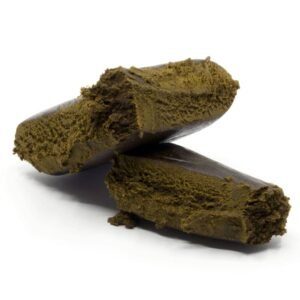
High THC Afghani Hashish Near Me
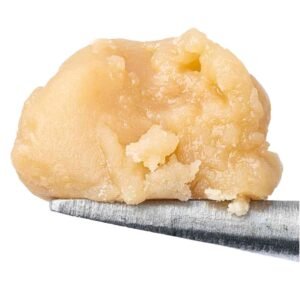
Price range: $80.00 through $500.00High THC Rosin Hash For Sale
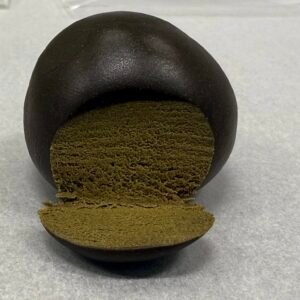
Price range: $125.00 through $750.00Pure High THC Moroccan Hashish
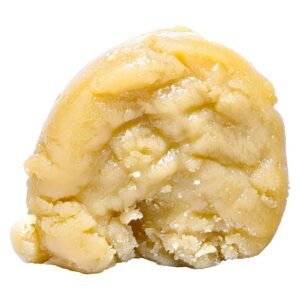
Price range: $110.00 through $600.00Solventless High THC Live Hash Rosin
Price range: $100.00 through $1,000.00THC Premium Bubble Hash Near Me
Price range: $70.00 through $660.00
Understanding “Live” — What Does It Mean?
The word “live” in cannabis concentrates refers to the starting material: freshly frozen cannabis.
When a cannabis plant is harvested, the clock starts immediately. Terpenes — the aromatic, flavor-producing compounds in cannabis — are volatile. They begin to degrade as soon as the plant is cut, and the curing and drying process that produces shelf-stable flower destroys a significant percentage of those terpenes in the process.
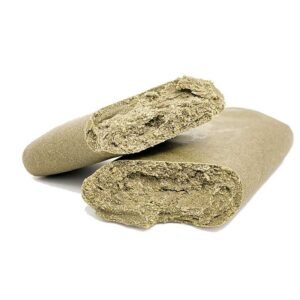
Traditional hashish — even very good traditional hashish — is made from dried and cured material. By the time extraction happens, some terpene degradation has already occurred.
With “live” products, the solution is simple and elegant: harvest the cannabis plant, and flash-freeze it immediately — within minutes of cutting. The freezing halts all biological activity and locks the terpene profile in place at its absolute peak freshness. The plant material is then kept frozen throughout the entire extraction process.
This single change — using fresh frozen cannabis instead of dried — produces a dramatically different result. Live concentrates are routinely described as smelling and tasting like you’re standing in a healthy cannabis garden, not consuming a processed product. The aromatics are brighter, more vibrant, and more complex than anything achievable from dried material.
What Makes Rosin Different from Other Concentrates?
Before understanding live hash rosin specifically, it helps to understand rosin in the broader landscape of cannabis concentrates.
Most cannabis concentrates on the market today — shatter, wax, BHO, distillate — are made using chemical solvents. Butane, propane, CO2, ethanol, and other solvents are used to strip cannabinoids and terpenes from plant material. The solvent is then removed through various purging and processing steps.
While reputable producers do an excellent job removing residual solvents to below detectable levels, many consumers and patients prefer to avoid solvent-based products entirely — either for health reasons or simply because they prefer the most natural, least-processed product possible.
Rosin is completely solventless. The only inputs are heat, pressure, and time. Cannabis material is placed between parchment paper and pressed using heated plates — essentially a sophisticated version of a hair straightener. The pressure and heat cause the trichomes to rupture and the oil to squeeze out, collecting as a golden concentrate on the parchment.
No solvents. No post-processing to remove chemicals. No additional ingredients of any kind. Just cannabis oil, expressed mechanically.
What Is Hash Rosin Specifically?
Here’s where the distinction between “flower rosin” and “hash rosin” becomes important.
Flower rosin is made by pressing whole cannabis flower directly. While this is a perfectly valid method, it has limitations. The press is extracting oil from a mix of trichomes and plant material, meaning the yield is lower and there’s typically more plant contamination in the final product.
Hash rosin is made by first extracting the trichomes into bubble hash (using ice water extraction), drying that bubble hash, and then pressing the bubble hash into rosin. Because the starting material is already highly concentrated trichomes — with minimal plant matter — the resulting rosin is significantly purer, more potent, and more aromatic than flower rosin.
You’re essentially pressing an already-concentrated product into an even more concentrated one. The result is exceptional.
The Full Live Hash Rosin Process, Step by Step
Understanding the process makes it clear why live hash rosin is labor-intensive and why quality comes at a premium. Here is how it’s made from start to finish at HashCraft USA’s partner cultivation facilities:
Step 1: Harvest and Flash Freeze
The cannabis plant is harvested at peak trichome maturity — timing that takes years of cultivar-specific experience to judge correctly. Within minutes of harvest, the material is placed into sealed bags and submerged in dry ice, or placed directly into a commercial freezer at -40°F (-40°C) or colder. This halts all biological activity and locks in the full terpene profile.
Step 2: Ice Water Extraction (Fresh Frozen Bubble Hash)
The frozen material is processed using ice water extraction. Frozen cannabis is placed in a vessel with ice and near-freezing water. Gentle agitation causes the cold, brittle trichomes to break free from the plant material. The mixture is drained through a series of fine mesh bags (bubble bags) ranging from 25 microns to 220 microns, collecting different grades of material.
Because frozen material is used rather than dried, the resulting bubble hash carries the full live terpene profile — this is where the “live” character is established.
Step 3: Freeze Drying
The collected bubble hash is too wet to press immediately. It must be dried — but drying cannot use heat without damaging terpenes. The solution is freeze drying: a commercial freeze dryer uses vacuum pressure to remove moisture at very low temperatures, preserving all terpenes and cannabinoids while producing a perfectly dry, workable product. This step alone requires equipment that costs tens of thousands of dollars and takes many hours per batch.
Step 4: Quality Sorting and Selection
The freeze-dried bubble hash is carefully examined. Only the highest-grade material — typically from the 73–90 micron bags, which contain the purest trichome heads — is selected for rosin pressing. Lesser-grade material may be sold as bubble hash or used for other purposes. This selectivity is a major factor in the final quality.
Step 5: Cold Cure Rosin Press
The selected hash is placed between parchment paper and pressed using a commercial rosin press with heated plates. Temperature, pressure, and time are calibrated precisely — typically 150–180°F (65–82°C) for 60–300 seconds at 300–1,000 PSI depending on the specific hash and desired consistency.
The expressed oil collects on the parchment. Yield varies — a skilled producer pressing top-grade live bubble hash might see 60–80% yield. The collected oil is then scraped and collected.
Step 6: Cold Curing for Consistency
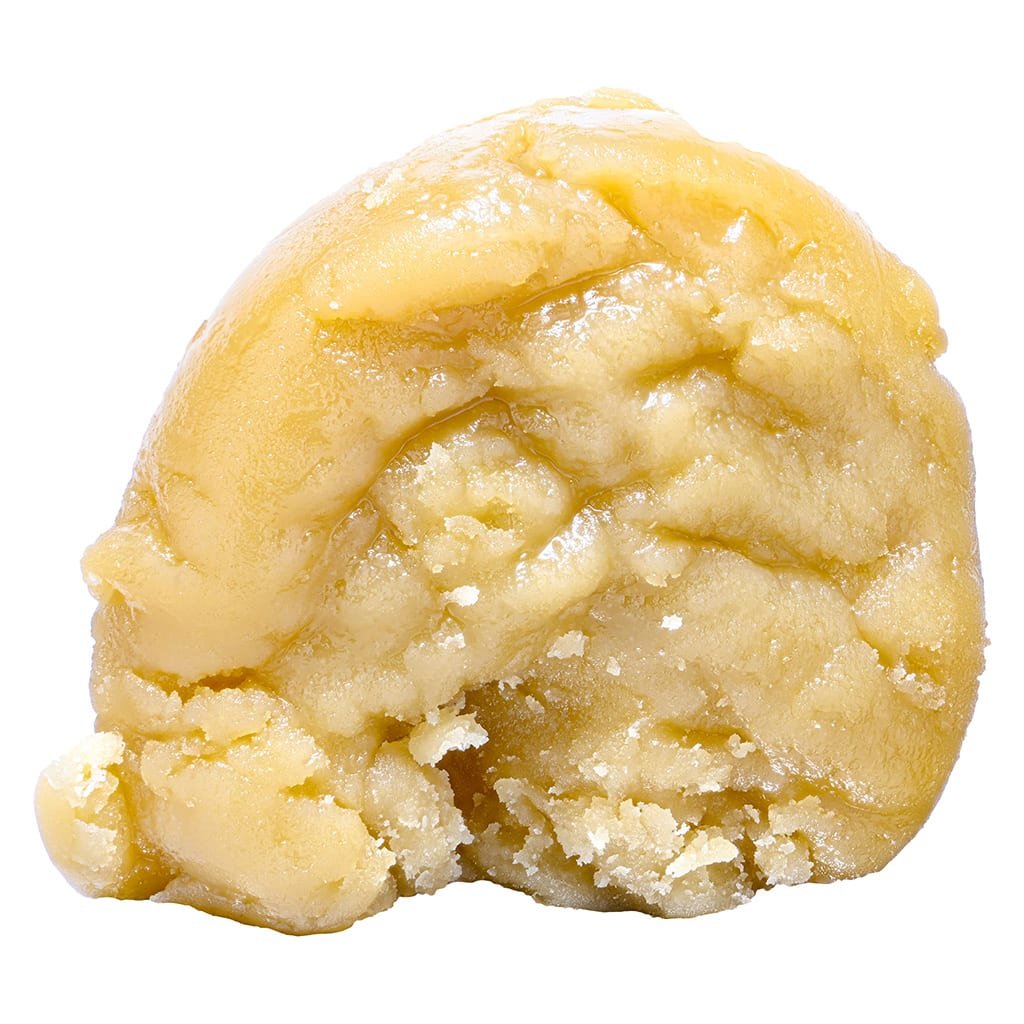
Fresh rosin is typically a liquid or near-liquid at room temperature. Most live hash rosin is “cold cured” after pressing — stored at refrigerator temperatures while being regularly worked (stirred or folded) over several days to weeks. This process encourages the THCA to nucleate and form a more solid, stable texture. The final result can range from a glossy, butter-like badder to a sandy, crumbly texture to a firm, stable block — all variations of the same product at different stages of the curing process.
Live Hash Rosin vs Regular Hash Rosin: What’s the Difference?
The difference comes down to starting material. Regular hash rosin starts with dried, cured bubble hash. Live hash rosin starts with fresh frozen material that was never dried.
The impact on the final product is significant:
- Terpene content: Live rosin consistently shows higher terpene levels and more volatile, aromatic compounds. The smell is typically much more vivid and complex.
- Flavor: Live rosin is widely described as tasting “fresh” — more like the living plant than a processed product.
- Color: Live hash rosin tends to run lighter in color — pale gold to amber — compared to regular rosin, which can be darker due to more terpene oxidation during the drying process.
- Price: Live material commands a premium at every stage — from cultivation (fresh frozen requires immediate post-harvest infrastructure) to processing (freeze drying equipment, labor, lower yields from live material).
Potency: What THC Levels to Expect
High-quality live hash rosin from premium starting material will typically test at 70–85% total cannabinoids (THC + THCa + minor cannabinoids). Some exceptional batches from highly resinous cultivars can test even higher.
This places live hash rosin among the most potent cannabis products legally available in the United States. For reference:
- Premium cannabis flower: 20–35% THC
- Traditional pressed hash: 25–45% THC
- Bubble hash: 40–65% THC
- Live hash rosin: 65–85% THC
- Distillate: 85–99% THC (but completely absent of terpenes)
The key advantage of live hash rosin over distillate isn’t just the potency — it’s that live rosin retains all the naturally occurring minor cannabinoids (CBG, CBN, CBC, THCV) and terpenes that are stripped away in distillate production. Many users report that the “entourage effect” — the synergistic interaction between multiple cannabinoids and terpenes — is most noticeable with full-spectrum products like live hash rosin.
How to Consume Live Hash Rosin
Live hash rosin is best consumed in ways that preserve its exceptional flavor profile:
Low-temperature dabbing is the gold standard. Using a quality quartz banger or electronic nail (e-nail) heated to 450–550°F (232–287°C) — significantly lower than typical dab temperatures — allows the terpenes to vaporize fully without burning. The result is a flavorful, smooth, and potent experience.
Vaporizer pens compatible with hash rosin offer a more portable option. Look for pens with adjustable temperature settings that allow low-temp operation.
Sprinkling on flower works but wastes some of the aromatic complexity. If you’re going to do this, use less expensive flower rosin rather than premium live hash rosin.
Why Is Live Hash Rosin So Expensive?
The price reflects genuine production costs at every stage. Fresh frozen material requires cold storage infrastructure immediately post-harvest. Ice water extraction requires skilled labor and significant equipment. Freeze drying is slow and equipment-intensive. Only the highest-grade bubble hash is selected for pressing. Rosin pressing yields significantly less product than solvent extraction by weight. Cold curing and quality control add more time and labor.
When you purchase premium live hash rosin from a licensed dispensary, you are paying for legitimate craftsmanship, extensive quality controls, multiple layers of expensive equipment, and the labor of skilled cannabis professionals. Compared to most luxury goods, the value proposition is exceptional.
Conclusion
Live hash rosin represents the cutting edge of American cannabis concentrate craft. It combines the oldest principles of hashish production — no solvents, pure mechanical separation — with the most advanced modern techniques to produce a product that delivers the full, authentic character of the cannabis plant at its absolute peak freshness.
If you’ve never tried live hash rosin and you’re an experienced cannabis consumer looking for the next level, it is genuinely unlike anything else available. Visit your nearest HashCraft USA dispensary and ask a budtender to walk you through our current live rosin selection.
Adults 21+ only. Available at licensed HashCraft USA dispensaries in legal states only. Cannabis has not been approved by the FDA.